
The Trust Economy: Building guest confidence in an uncertain world

Posted on - October 25th 2025
We know by now that uncertainty isn’t the exception, it’s the environment we work in. Political tensions, travel disruptions, health scares, economic shifts… they each hit the short-term rental market in different ways, and often in combination. But they’re not the only variables. Weather extremes, local regulation changes, and even viral social media trends can all shift booking patterns faster than we’d like.
We can’t control any of it but we can control how we respond. And that’s where trust is built.
Local loyalty beats global uncertainty
When a political crisis dominates the headlines, we’ve all seen the international enquiries slow down. Guests start looking closer to home and in those moments, domestic travel isn’t just a fallback, it’s a stabiliser.
Many operators have leaned into this by offering short-stay “local escape” packages, by partnering with regional attractions to offer bundled experiences, or by targeting marketing within a two-to-four-hour drive radius. These aren’t just emergency measures; they can also build a loyal local customer base that sticks around long after the news cycle moves on.
But that doesn’t mean we drop our international strategy. We keep our listings active in multiple languages, maintain visibility on overseas channels, and nurture relationships with travel agents or relocation companies who work with international guests. Why? Because when the climate improves, we want to be at the top of their list not starting from scratch.
Trust is tested in disruption
Travel disruptions bring a different kind of challenge. Airline strikes, sudden border rules, cancelled ferries… these test the real-time responsiveness of our operation. Here, tech can be a lifeline with automated alerts and pre-arrival messages to keep guests informed before they have to ask. But this is also where our human capital shines. A personalised message offering early check-in, alternate transport options, or even just a calm “We’ve got you” does more than smooth logistics; it creates a story they’ll tell.
Some operators even keep a small reserve budget or resource plan for these moments knowing that a taxi voucher or a night’s free parking can turn a disrupted journey into a grateful review.
Transparency heals hesitation
Health scares whether global or localised hit confidence hard. We saw it in the pandemic, but smaller-scale outbreaks or seasonal surges can still shift behaviour. Here, transparency is key. Detailing cleaning protocols, sharing links to trusted local health resources, and offering flexible booking terms can make the difference between hesitation and commitment. Domestic travel often becomes the bridge during these times people still want to get away, but they want to feel in control of the risk.
One property manager used health-related uncertainty to strengthen trust long-term. They introduced virtual property tours so guests could “walk through” before booking – a move that reduced cancellations by 18% and has remained a guest favourite years later.
Value wins when wallets tighten
Economic shifts, rising interest rates, inflation, currency fluctuations change how and when people book. For some markets, this means shorter lead times and more last-minute offers, for others, it’s about creating perceived value without cutting too deep into margins. We have seen success for instance with tiered experience packages: the base stay remains competitively priced, but guests can choose add-ons like private chefs, late check-outs, or local experiences. This gives flexibility without positioning the property as a “discount” brand.
In tougher economies, international guests can still be a strong source of revenue, especially if currency exchange rates work in their favour. Weaker domestic demand can be countered by tracking exchange rates and focusing marketing efforts on markets with higher purchasing power.
The Guest Journey: Your trust blueprint
Across all of these scenarios, the Guest Journey remains our strongest framework for building trust. From first contact to post-stay follow-up, each touchpoint is a chance to prove reliability. The technology we use should make those moments more consistent but the warmth, attentiveness, and quick-thinking that we bring is what turns a booking into a relationship.
Yes, there will always be debate in our industry about automation versus personal touch. Some will lean heavily on chatbots and self-check-in; others will insist on in-person greetings and handwritten notes. In truth, the most resilient strategies combine both: the speed and reach of tech with the adaptability and empathy of people.
Be the calm
Perhaps that is the real takeaway. We cannot guarantee our guests that the world outside will be calm. But we can be the calm.
When the headlines are noisy, our properties and our teams become the safe, predictable element in the journey. To consider that in this trust economy, that’s not just a nice sentiment, it’s a competitive advantage.
Want to learn more about how to deliver Trust into your short-term rental strategy? Join us at SCALE UK where we are dedicating an entire day to book direct strategies. You’ll also receive a free copy of I-PRAC’s Trustology Marketing Manual.
Related Articles

Direct Bookings
Not getting enough direct bookings? Trust is the missing link
Trust drives direct bookings. Learn how property managers can earn guest confidence and compete with major platforms for loyal, repeat stays.
Fresh from the press
Artificial Intelligence
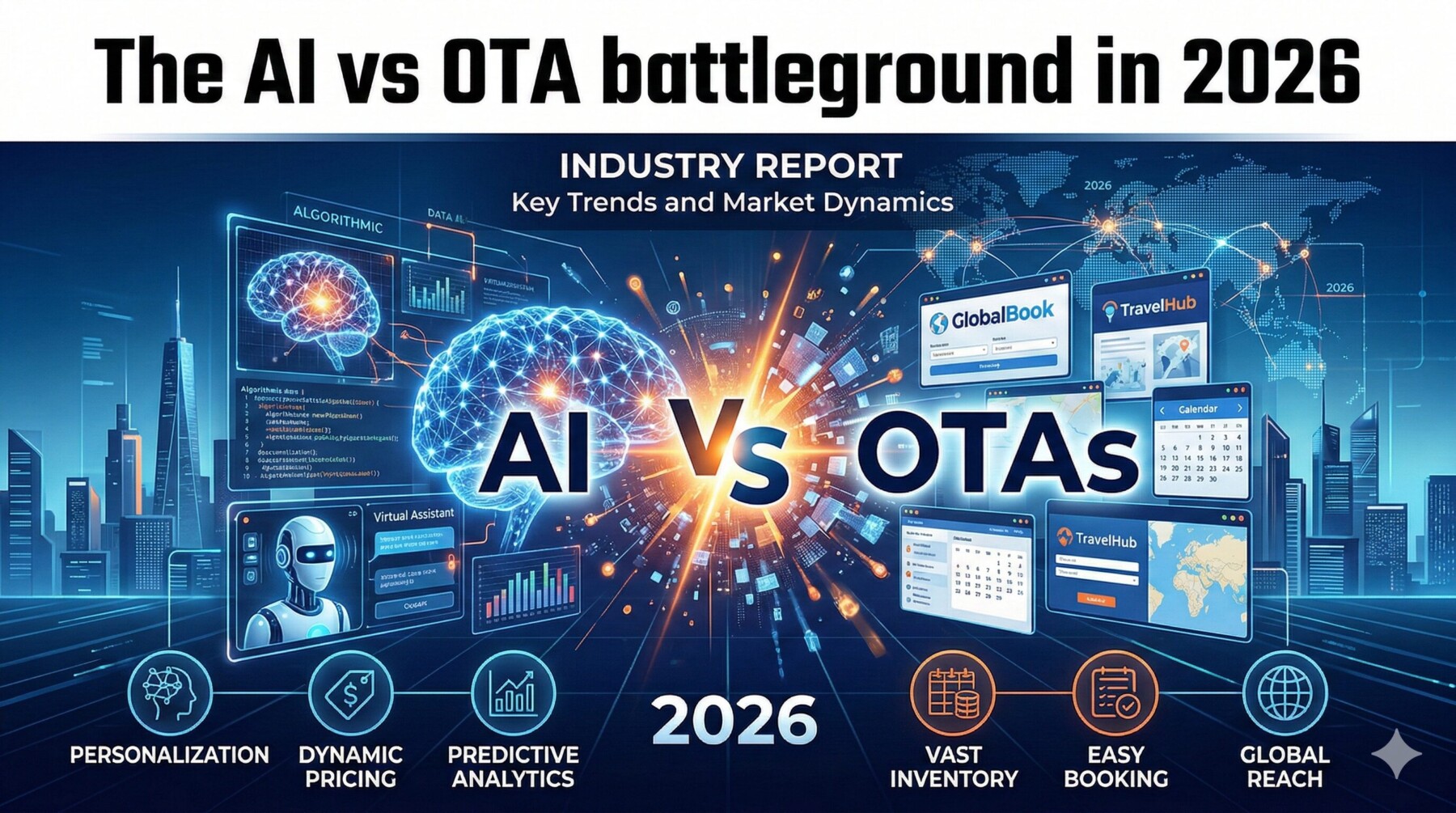
The AI vs. OTA Battleground in 2026
As AI reshapes travel discovery in 2026, mid-sized property managers face a critical turning point. While OTAs still dominate, AI assistants are driving a new wave of direct traffic. Discover actionable strategies, revenue models, and technical steps to optimise your direct booking channels for the AI-first travel era.

Short-term rentals news
Wire Weekly: Global short-term rental & hospitality news
Italy's new law forces property owners to become registered businesses or hand over management—creating one of Europe's largest opportunities for professional operators. Plus: Barcelona doubles tourism taxes, Airbnb tests airport pickups, and Awaze invests £45M in AI search. This week's regulatory shifts and platform moves reshaping the STR landscape.