The Myth of Stack Expansion
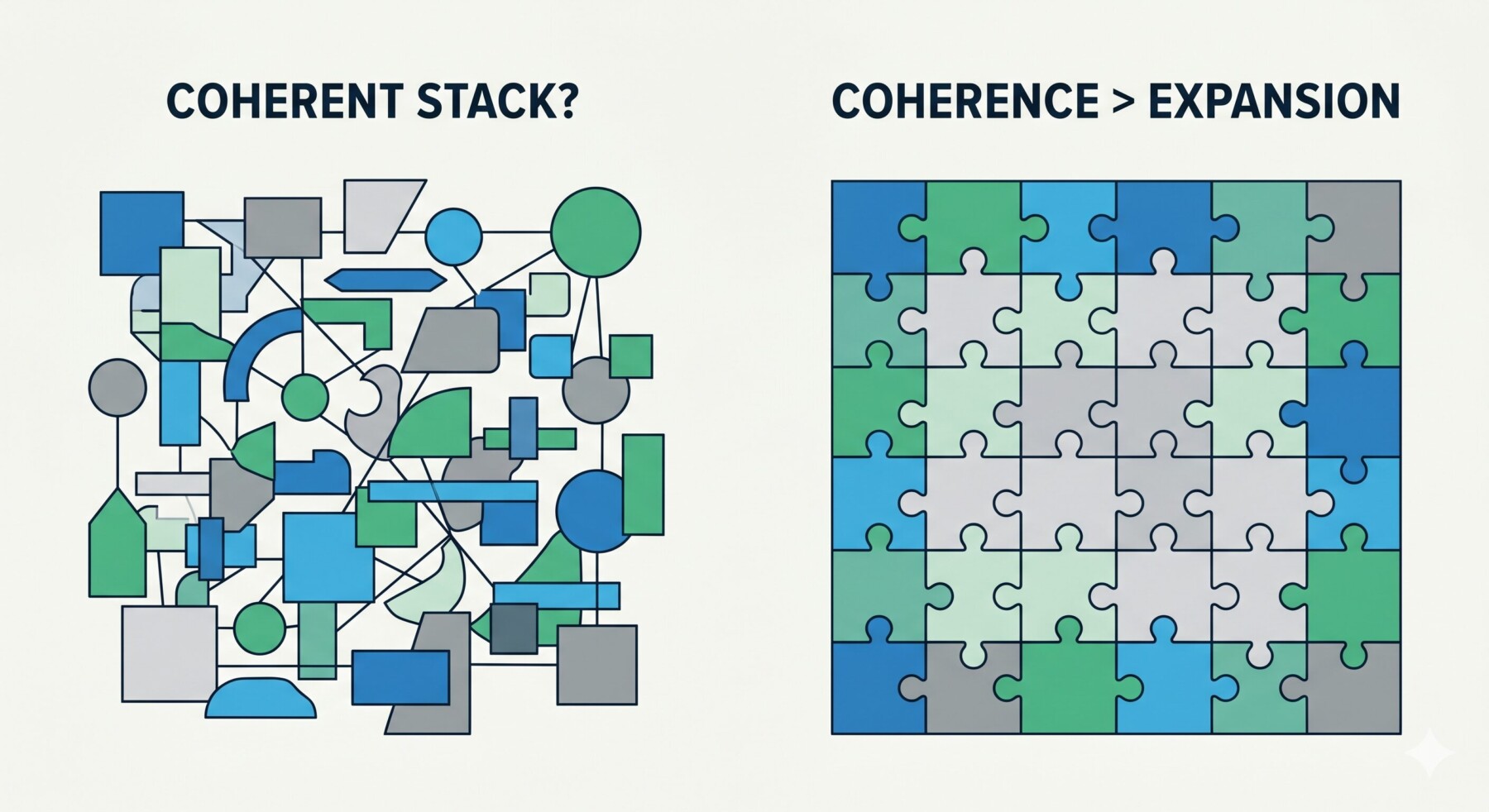
One of the quieter myths in technology-heavy industries is that sophistication looks like stack expansion. More tools. More integrations. More categories. More dashboards. More automation.
In reality, the best stack is rarely the most expansive one. It is the one that fits the business best.
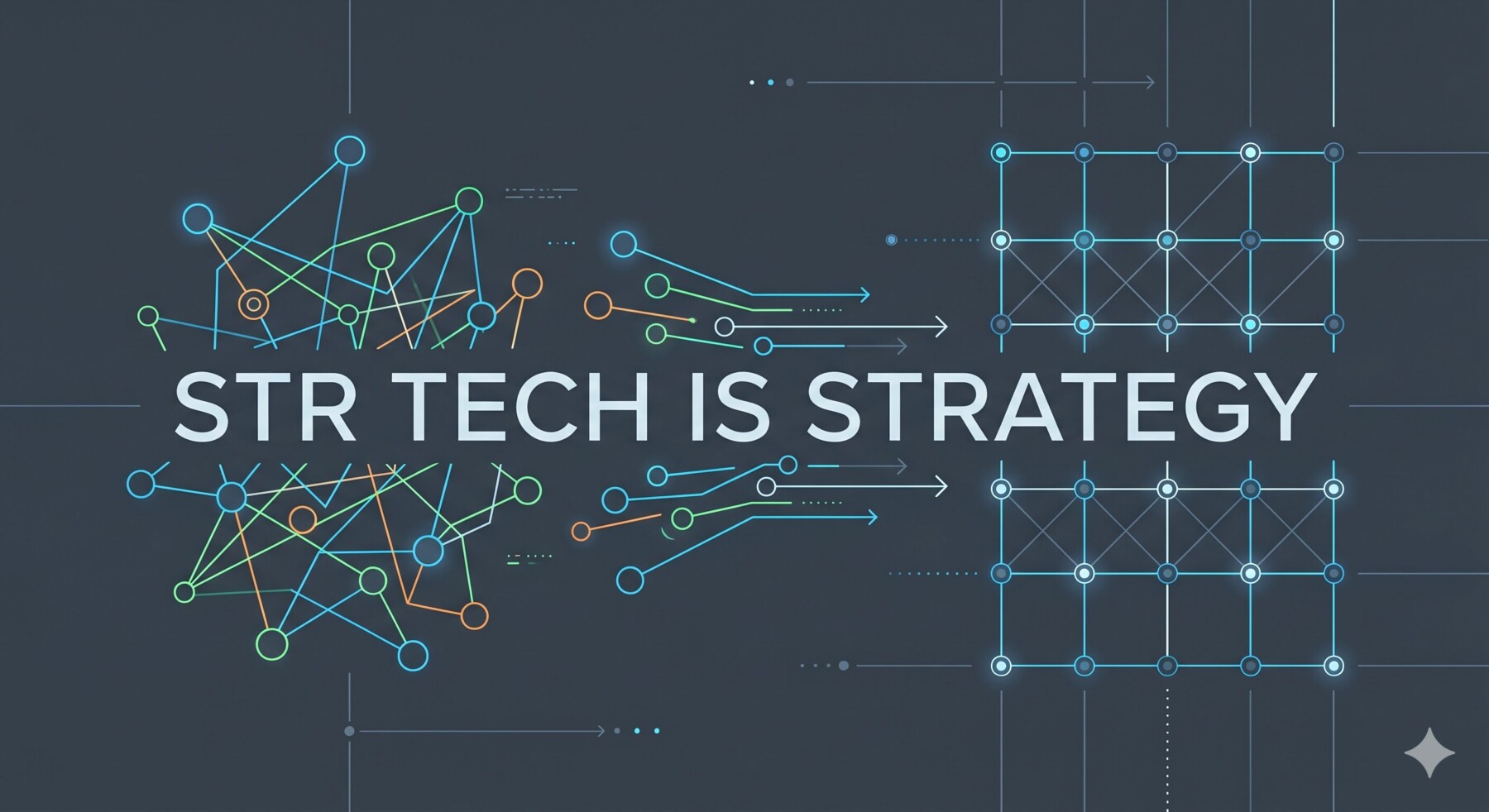
That distinction matters in STR because the market increasingly rewards the appearance of sophistication. Operators see peers using specialized pricing layers, guest apps, fintech tools, reporting environments, upsell systems, and workflow automation. Vendors naturally emphasize capability. Conferences reinforce the sense that high-performing businesses are constantly adding infrastructure. Some of that is true. Strong operators do tend to build more deliberate stacks over time. But the real lesson is not that more technology is always better. It is that better businesses are more disciplined about fit.
The Crucial Role of Context
A stack becomes strong not when it is large, but when the systems inside it are coherent, relevant, and proportionate to the operating model they support.
This is where many buyers go wrong. They assume the goal is to approximate what the most sophisticated businesses appear to be using. But stack quality cannot be copied so simply, because fit depends on context. A portfolio with premium urban stays, centralized teams, and high guest turnover will not build the same environment as a regional holiday-home manager with different staffing patterns, service expectations, and owner priorities. The stack that feels disciplined in one environment may feel bloated or fragile in another.
That is why the strongest buying principle in a mature ecosystem is not ambition but alignment.
-
What systems are truly necessary for this stage of the business?
-
Which categories solve meaningful problems rather than theoretical ones?
-
Where does integration matter most?
-
What should remain simple?
-
What is adding signal, and what is simply adding surface area?
Navigating the Risk of Stack Bloat
These questions are valuable because stack bloat is a real risk in growing ecosystems. Once operators are exposed to a large market of specialist solutions, it becomes easy to confuse optional complexity with operational maturity. In practice, some of the cleanest businesses are not those with the most software, but those with the clearest logic behind their software choices.
This is another reason structured discovery matters. When buyers rely mainly on visibility-led exploration, they are more likely to build stacks around familiarity, category pressure, or fear of missing out. When buyers can explore the ecosystem more deliberately — by fit, relevance, and context — they are more likely to build stacks that are coherent rather than merely impressive.
Coherence Over Capability
That is the real advantage. A stack that fits the business creates clarity, not just capability. And in a market this crowded, clarity is increasingly the harder and more valuable outcome.
The strongest stack is not the most crowded. It is the most coherent. SCALE Connect helps operators explore solutions according to fit, category, and business context, making it easier to choose wisely rather than simply choose widely.