In short-term rentals, data is no longer the problem. Speed is. Property managers can already see occupancy in real time, benchmark pricing, and track demand as it forms. What separates performance now is how quickly that insight turns into action.
That shift is coming from the market itself. Booking windows have tightened, demand shows up later, and what used to play out over weeks can now happen in a few days. The data is there, but the time to do something with it is getting shorter.
AI is starting to change how teams work in that environment. It is moving beyond reporting what has already happened and becoming something that helps teams respond while there is still time to influence the outcome.
From manual workflows to integrated decision-making
Most workflows still rely on manual steps. A revenue manager pulls a report, works through a spreadsheet, or drops data into a tool like ChatGPT to answer a specific question. That can speed things up, but it is still a stop-start process. Each step takes time, and you are often starting from scratch again.
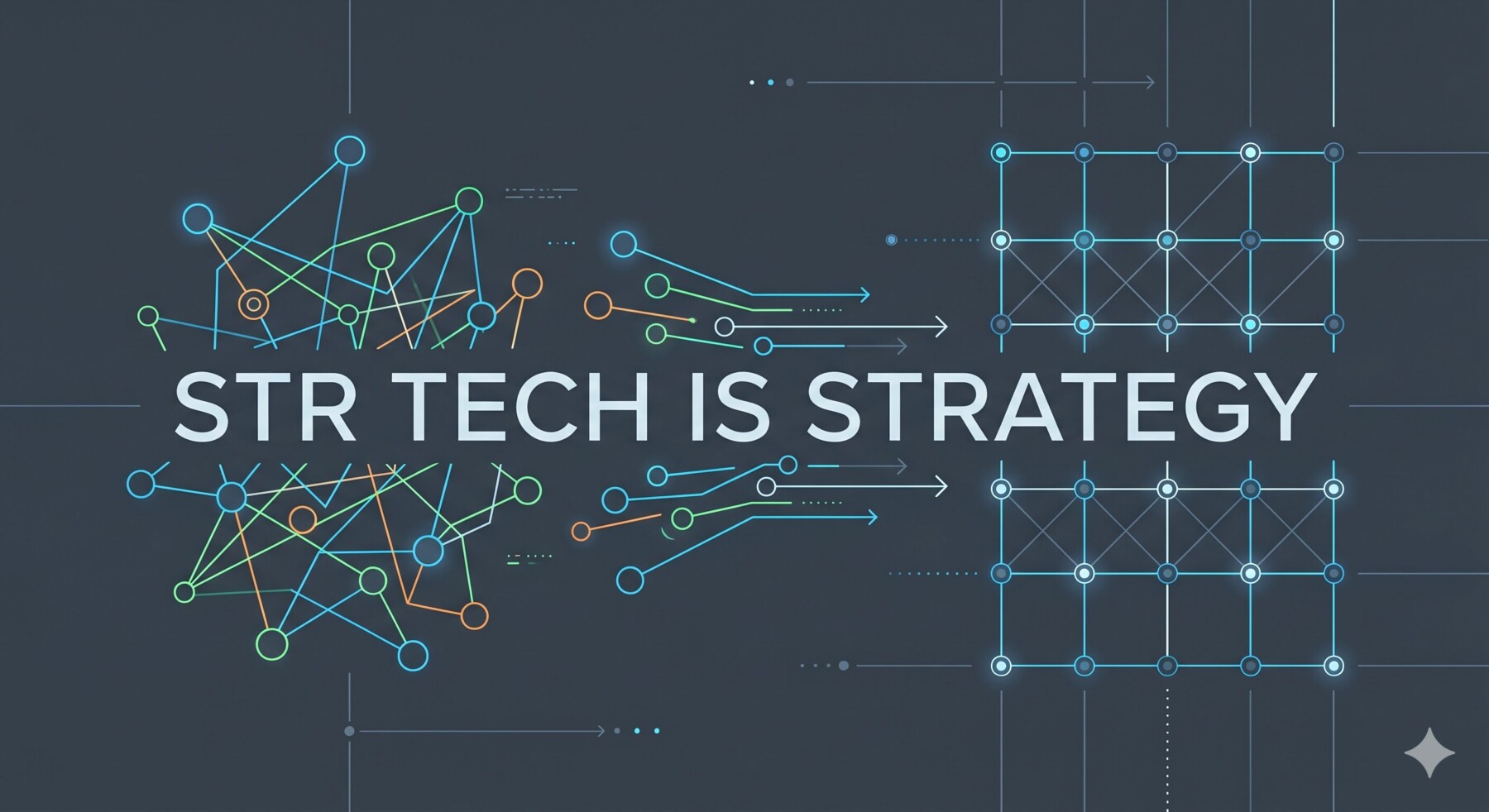
Integrated systems shift that dynamic. Instead of moving data into tools to get answers, the system sits on top of the data and continuously interprets it in the background.
You really see the difference when something starts to go off track. A report flags that a holiday weekend is pacing behind expectations. In a slower workflow, that sets off a chain of checks: how did this period perform last year, what is happening in the market, where are we priced? It is all valid, but it takes time. By the time a decision is made, booking momentum is often already set.
In a faster setup, you get the explanation almost immediately. Guests are booking later than last year, stays are shorter, and your pricing is slightly above comparable listings. That might take hours, sometimes days, to piece together manually. Getting it instantly changes what you can do about it. When bookings come in late, that gap really matters.
For operators, that means less time pulling reports and more time actually deciding what to do next, while it can still make a difference.
There is a balance, though. Move too quickly without enough context and it is easy to overcorrect, especially in unpredictable markets. The goal is not just speed, it is making the right call at the right time.
From data overload to prioritised action
Having more data doesn’t always lead to better decisions. In fact, it can slow teams down. When there are too many signals, teams end up trying to work out what matters most, especially without a clear way to prioritize. That is where things start to stall, with dashboards, reports, and alerts all competing for attention.
AI changes the starting point. Instead of looking at everything, it narrows the focus and points to where attention is actually needed, ranked by impact. Out of a hundred properties, only a small number might need immediate action.
That becomes especially important when demand shifts quickly. A late spike, a drop in pacing, or something changing locally can all have an impact. What matters is how quickly the right response happens.
A slower team might only pick up on the shift once it is obvious across reports, when pricing changes have limited effect. A faster team sees it earlier, adjusts, and captures demand while it is still forming.
Data quality, context, and trust in AI outputs
Trust in AI remains a problem. A lot of operators hesitate to act on recommendations without understanding how they were generated, and that is fair. If the data going in is inconsistent, the output will be too.
Issues like overlapping reservations, missing fields, or mismatched booking sources are common. When AI surfaces those, they do not always look like obvious mistakes.
Good data quality shows up in the details. Booking sources line up across systems, reservations do not overlap, and key information like rates, dates, and property details is consistent. When that foundation is there, it is much easier to trust what comes out.
Context matters just as much. A model needs to understand what actually drives decisions. Which owners care more about occupancy than rate? Which properties have operational constraints? What can realistically be changed?
People start to trust it when the outputs make sense and the reasoning is visible. If it lines up with how they understand the market, they are far more likely to act on it.
Even with AI, the operator is still central. It can highlight patterns and suggest actions, but someone still has to make the call. Local knowledge, guest expectations, and owner relationships all come into play.
Where this goes next
Where this is heading is straightforward. Data is getting closer to where decisions are made, and the gap between spotting something and acting on it is shrinking.
The teams that will outperform are not the ones with the most data. They are the ones set up to act on it quickly and with confidence. That means connected systems, clean data, and a clear sense of what to do next.
Decision-making is becoming more continuous. Teams are responding as things change, rather than waiting for scheduled reports. Data becomes part of day-to-day operations, not something reviewed after the fact.
As that continues, slow analysis starts to hurt. Not just in efficiency, but in missed revenue.
Melanie Brown is VP of Data Analytics and Insights at KeyData, where she leads analysis of global short-term rental trends. She helps property managers, destinations, and investors interpret market performance through data, visualizations, and presentations, with a focus on making industry insights clear, reliable, and actionable.