The Death of Reactive Procurement
For a long time, technology buying in short-term rentals was treated as a relatively practical exercise. An operator would identify a pain point, look for a solution, compare a handful of vendors, and make a decision. The purchase was often framed as a procurement task: useful, important, but ultimately secondary to the larger work of running the business.
That framing no longer fits the market. In a sector where operations increasingly depend on pricing engines, workflow systems, communication layers, access tools, reporting environments, and specialist service providers, technology choice has become too consequential to remain a side task. It now shapes the operating model, the economics, and even the managerial culture of the business.
Technology Choice as a Business Strategy
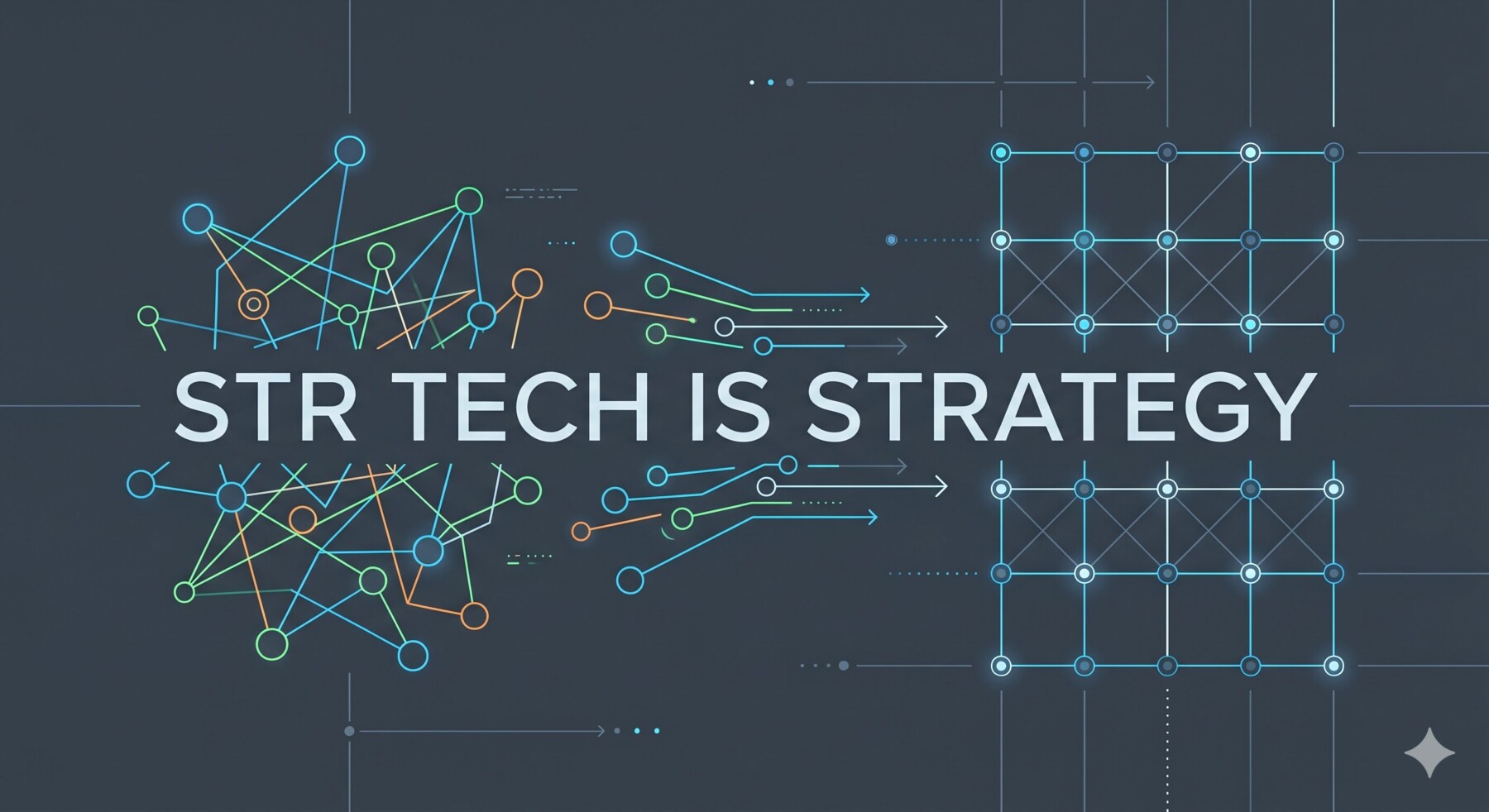
That is why choosing technology in STR is no longer just procurement. It is a strategy. The reason is not simply that there are more tools than before, although that is true. It is that the consequences of technology choice now reach much further into the business. A pricing system affects not only rates but commercial rhythm and reporting quality. A messaging layer affects not only guest communication but service consistency, escalation, and operational workload. Workflow software changes not only visibility but also accountability and process discipline. Even categories that appear relatively narrow often have second-order effects across the stack.
This means operators are no longer just buying products. They are making decisions about how the business will function. That requires a different level of judgment.
Diagnosing the Internal Operating Model
The old buying logic in many sectors was essentially reactive: find the most visible vendor in the category, compare some features, take a demo, move forward. But reactive buying performs poorly in ecosystems where fit matters more than familiarity. Once categories become crowded and operating contexts diverge, the quality of the decision depends less on how compelling the demo felt and more on whether the buyer has correctly diagnosed what kind of business they are actually trying to support.
That is where strategic buying begins. It starts not with the vendor, but with the operator’s own operating model.
-
What does this business really need?
-
Where is complexity concentrated?
-
What part of the current stack is creating friction rather than reducing it?
-
What level of visibility, automation, integration, or control is actually required at this stage of growth?
-
What are the commercial priorities behind the buying decision?
These are stronger questions than “Which platform is best?” They are also harder questions, because they force the operator to look inward before looking outward. But that is precisely what makes them strategic. They reduce the risk of buying a strong product for the wrong context. They also reduce the temptation to equate visibility with fit.
Shaping Organizational Behavior
This is one reason the strongest operators increasingly treat technology buying as part of management design rather than simple supplier selection. They understand that a software decision is also a workflow decision, a reporting decision, a staffing decision, sometimes even a client-expectation decision. Once the stack becomes central to the business, system choice starts to shape organizational behavior.
That has an important implication for Connect. If the market is now too large and too context-specific for informal buying to work well, then operators need a better way to move from awareness to structured choice. Not a louder market. A clearer one. They need the ability to explore by fit, category, operating model, and relevance rather than by whichever vendors happen to dominate the buyer’s existing channels.
Introducing SCALE Connect
That is the kind of shift mature ecosystems eventually produce. And it is why the operator who chooses technology well will increasingly outperform the operator who simply chooses quickly. Technology choice now shapes the structure of the business, not just the toolkit around it.
SCALE Connect is designed to help operators explore technology and service providers in a more deliberate, contextual, and strategic way.
Let’s start to explore the ecosystem on SCALE Connect.