This week’s headlines point to a hospitality industry being pulled in two directions at once: platforms racing to own discovery, while operators face increasing pressure to protect margins, visibility and independence.
From TikTok’s move into in-app travel bookings to Airbnb’s latest earnings and fresh data on shifting travel demand, the battle for attention – and direct relationships is accelerating fast.
Airbnb Q1 results show growth, but warning signs remain
Airbnb reported solid Q1 2026 growth, with revenue rising 8% year-over-year to $2.4 billion and nights booked increasing 9%. However, the company also flagged shorter booking windows, softer demand trends in parts of North America and continued economic uncertainty impacting traveller behaviour.
The company is continuing to invest heavily in expansion beyond accommodation, including services and experiences, while CEO Brian Chesky reinforced Airbnb’s long-term ambition to become a broader travel platform.
What this means for operators: The topline numbers remain strong, but the underlying signals are more nuanced. Guests are booking later, becoming more price-sensitive and behaving less predictably. Operators heading into summer should be prepared for continued volatility in pacing and shorter decision cycles; particularly in North America.
TikTok moves deeper into travel bookings and experiences are leading the way
TikTok has formally expanded into in-app travel bookings through partnerships with Booking.com, Expedia Group and Trip.com Group, allowing users to book directly within the platform.
But perhaps the more interesting angle is where TikTok is starting: experiences.
Rather than leading with hotels, TikTok Go is prioritising tours, activities and local discovery: a reflection of how travel inspiration and purchasing behaviour are increasingly blending together.
The move reinforces a broader industry shift: discovery is becoming embedded inside content ecosystems rather than traditional search environments.
What this means for operators: Travel discovery is becoming entertainment-led. The operators and brands winning attention are no longer just optimising listings; they’re creating content, building personality and positioning themselves where travellers already spend time.
And importantly: experiences remain one of the hardest categories for large platforms to standardise. That creates opportunity for local operators who can build authentic visibility.
Canadian travel pullback hits U.S. tourism harder than expected
New data suggests the slowdown in Canadian travel demand to the U.S. is having a greater impact than many destinations anticipated.
Canadian travellers have historically represented one of the most reliable inbound segments for many U.S. markets, particularly drive-to and seasonal destinations. But economic pressures, currency dynamics and shifting traveller sentiment are now creating softness across multiple regions.
What this means for operators: For destinations heavily reliant on Canadian guests, this is a reminder of the risks that come with overdependence on a single source market. Diversification – geographically and demographically – is becoming increasingly important as traveller behaviour fragments further.
Major sporting events continue driving outsized STR demand
Fresh data from AirDNA around the PGA Championship highlights once again how major events continue to generate significant short-term rental demand spikes.
At the same time, new Eurostat analysis shows short-term rentals maintaining strong growth across Europe, despite increasing regulatory scrutiny in several markets.
What this means for operators: Event-driven demand remains one of the sector’s strongest revenue opportunities, particularly for operators with flexible pricing strategies and strong local positioning.
Meanwhile, Europe’s continued STR growth suggests traveller appetite remains resilient despite political and regulatory pressure.
Lodgify has unveiled a refreshed brand identity alongside a suite of new AI-powered tools aimed at helping independent hosts improve direct bookings and reduce operational workload.
The updates reflect a clear shift toward supporting hosts in an AI-driven discovery environment, with new features designed to improve visibility across emerging travel search channels and streamline day-to-day management. A beta AI Co-Host will help surface key actions from bookings and guest communications, while additional tools focus on making direct booking websites more discoverable in AI-powered search.
The platform is positioning the changes as part of a broader move toward giving independent hosts more control over performance, visibility and time.
SCALE webinar explores the future role of WordPress websites in STR marketing
Finally, SCALE will host a live webinar next week examining how the role of traditional websites is evolving in the short-term rental industry.
As discovery increasingly shifts toward AI tools, social platforms and conversational search, operators are being forced to rethink how guests find, evaluate and ultimately book accommodation. The session will explore whether SEO-led websites still hold the same strategic value, and how direct booking strategies need to adapt to remain competitive in a changing discovery landscape.
It’s a timely discussion for operators who still rely heavily on their website as a core acquisition channel, and who are navigating rapid changes in how visibility is earned across the travel ecosystem.
Join us on Wednesday 20th May at 5pm CEST and learn about the current trends and future use of WordPress when building short-term rental websites and the influence Artificial Intelligence may have on this.
Have a story the industry should be paying attention to?
If you’re tracking regulation changes, market movements, or community-led initiatives across short-term rentals, serviced accommodation or hospitality, send your news to the Wire Editorial Team and feature in an upcoming roundup.
This week, we step away from AI headlines to focus on the human side of hospitality. From Lake.com’s new subscription model to STR advocacy and community-led stories, the sector proves it’s still driven by people, not platforms.
As Middle Eastern conflict disrupts global travel with 23,000+ cancelled flights, Spain sees a surge in bookings from displaced travellers. But regulatory chaos threatens the country's ability to capture both leisure demand and Dubai's relocating corporate events. Why SCALE España matters more than ever for Spanish operators navigating unprecedented opportunity amid legislative uncertainty.
As AI becomes the new front desk of hospitality, vacation rental brands face a bigger challenge than automation: cultural alignment. In his latest article, Richard Vaughton explores why the future of digital trust depends on AI reflecting human values, nuance, and hospitality itself.
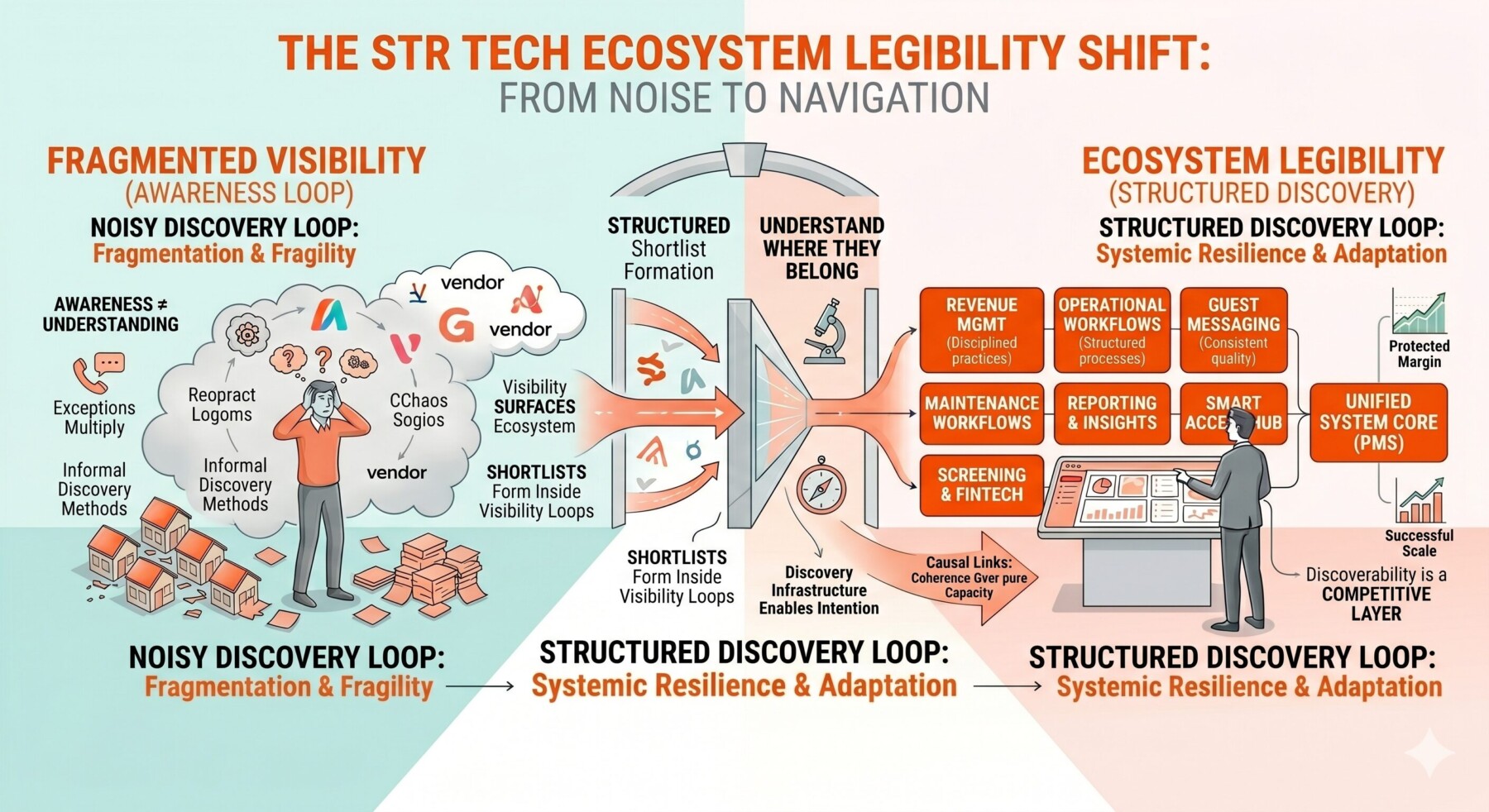
In the short term rental sector, operators often confuse vendor visibility with operational relevance. As the tech ecosystem grows rapidly, informal discovery methods like social media and events fall short. Discover why the industry needs structured discovery infrastructure to help buyers find the right tools for their specific operating models. (50 words)