
From Search to Stay: How Google’s ‘UCP’ could rewrite hospitality bookings

Posted on - January 15th 2026
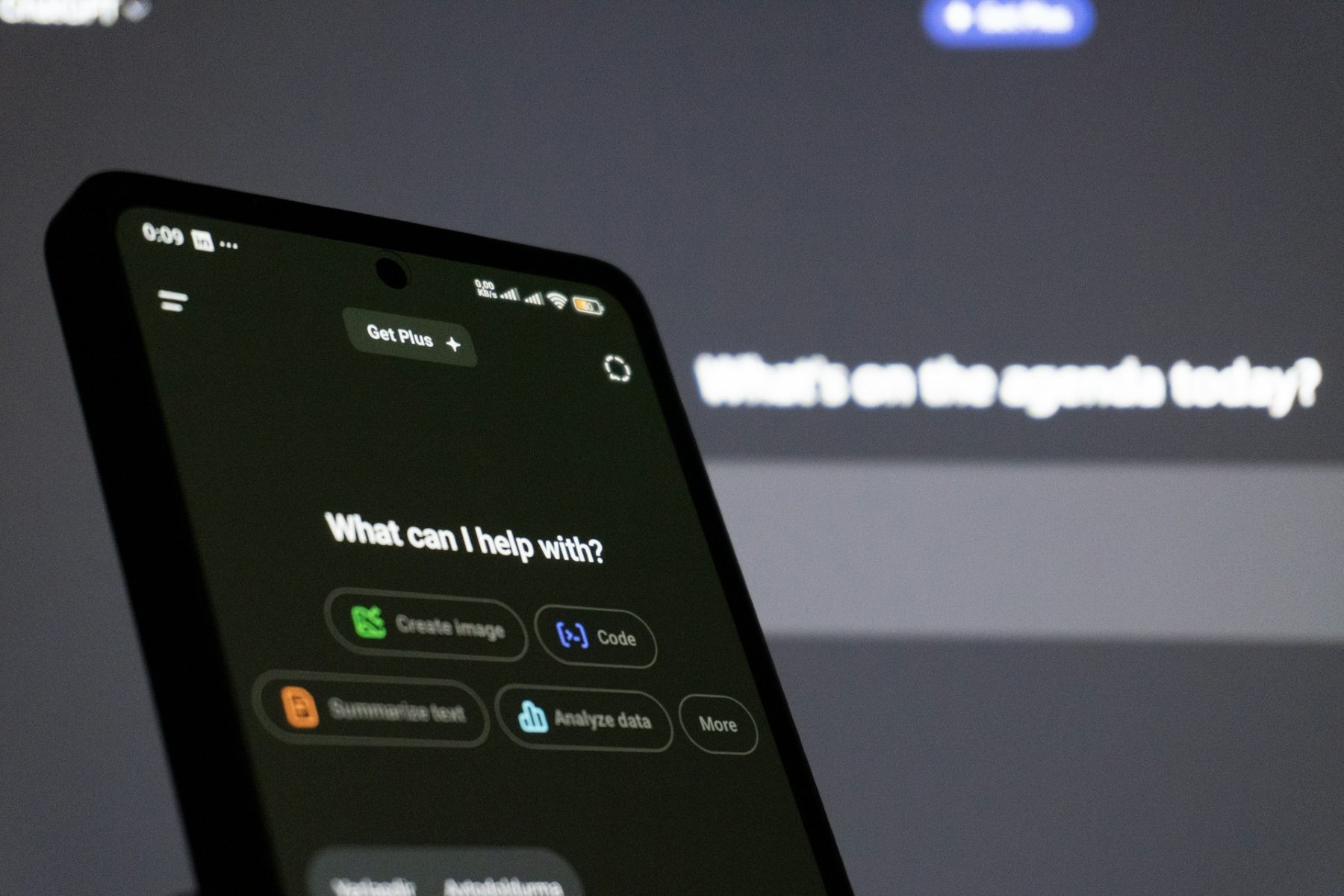
This article was written with the support of AI research!
This week Google dropped a very loud signal about the future of e-commerce and hospitality bookings.
It launched the Universal Commerce Protocol (UCP). A new open standard that allows AI assistants not just to recommend products, but to complete purchases end-to-end inside a single conversation.
That means:
No websites, no checkout pages and no booking forms needed.
You tell an AI what you want, it checks availability and prices in real time and books it for you.
For the hospitality sector, this is not just a product update to tweak the algorithm, it’s the start of a completely new booking behaviour.
From browsing to briefing
For the last twenty years, travel booking has followed a familiar pattern: search, compare, click, scroll, abandon, return, finally book. UCP now collapses that entire journey into one conversation.
“Find me a boutique hotel in Seville with a rooftop pool for next weekend. Budget: under 250 € ”
Your AI assistant could search live inventory, compare rates, check policies, confirm availability AND complete the booking, without the guest ever visiting a single website.
Discovery, decision and transaction all happen in one place, and this shifts the entire booking model.
What does this mean for hospitality and accommodation providers?
Hospitality brands will no longer compete primarily on website UX, booking funnels or keyword stuffed landing pages. Instead, they will compete on:
Clarity of product: AI agents need structured, unambiguous data: room types, amenities, policies, availability and pricing must be easy for machines to read and understand.
Rate parity and accuracy: If an AI is pulling live rates from multiple sources, inconsistencies will instantly erode trust. The brand with the cleanest, most reliable data wins. That means calendar syncing is essential.
Trust and reputation: When guests outsource research to an AI, the algorithm will favour brands that demonstrate reliability, consistency and strong guest satisfaction.
OTAs will feel the pressure
Whilst OTAs sit at the centre of today’s short-term rental ecosystem: driving demand, controlling visibility and taking a significant share of every booking.
If the “decision and buy” moment happens before a guest ever reaches an OTA platform, their traditional role in the booking funnel becomes less central.
Distribution doesn’t disappear but their influence weakens. They become a data source, rather than the place where choice and booking happens.
Destinations chosen on impulse
In our 2026 STR Report we discussed the evident trend of trip-stacking – where the annual ‘one big holiday a year’ is being replaced by a buffet of mini breaks: shorter, more frequent stays shaped by value, spontaneity and calendar gaps.
This new model supercharges spontaneous travel. A guest could ask: “Where should I go next weekend for sunshine and good food?” And receive a fully bookable itinerary in seconds.
Destinations, hotels and local accommodation providers need to be ready for that moment, offering live inventory, simple offers and instant confirmation.
So Google’s decade-old “five stages of travel” are about to collapse, with inspiration and booking happening at the same time, in the same place.
Loyalty gets rewritten
Loyalty will no longer be driven only in repeat guest strategies, such as points and programmes; it will be decided much earlier.
If an AI assistant remembers a traveller’s preferences i.e. their favourite destinations, preferred room type and features, and usual budget; the guest will stop searching manually for deals and destinations. The AI will do it for them.
The most “loyal” brands will be the ones that integrate cleanly into that memory loop.
Marketing moves from campaigns to conversations
This is perhaps where we’ll see the biggest psychological shift.
- Instead of guests doing research, they’ll brief an agent
- Instead of scrolling content, they’ll ask questions
- Instead of navigating funnels, they’ll delegate decisions
For travel brands, marketing becomes less about delivering campaigns and more about being discoverable, understandable and bookable inside AI-driven conversations. The brands that thrive will be the ones that make it easy for machines to sell them.
How do you need to prepare as a hospitality brand?
This future booking window hasn’t arrived yet, but as a hospitality operator, you need to be prepared.
Operators with a clear vision of how AI can support their booking strategy are already:
- Cleaning and structuring their inventory and rate data
- Ensuring accuracy across every distribution channel
- Simplifying offers so they are instantly understandable
- Designing products that sell well in a conversational environment
In the AI booking era, the smoothest conversation wins and the best stay is the one the assistant trusts enough to book on your behalf.
Where are we now?
So far, AI hasn’t been able to deliver travel choices that fit my criteria. I asked my AI on several occasions to recommend accommodation and itinerary options for my 2026 travel plans.
Maybe it’s bad prompting on my behalf, but the results delivered were none that suited my preferences or wishes. I still flipped back to Google, OTAs and Book Direct websites, to do further research and make a booking.
Will this still be the case now Google is getting ever more strategic with Universal Commerce Protocol? It’s just around the corner, so we don’t have long to wait to find out.
Related Articles


Artificial Intelligence
The PMS is dead: How AI Agents will change the ‘tech stack’ as we know
How AI agents will replace traditional PMS and reshape hospitality tech stacks.
Fresh from the press
Short-term rentals news
Wire Weekly: Global short-term rental & hospitality news
This week’s industry headlines spotlight regulation shifts across Europe, major brand expansion into flexible accommodation, and new guest-experience services reshaping the future of short-term stays.

Data & Market Trends
5 Hospitality Marketing Trends for 2026
Nikki Mattei shares 5 of the top consumer trends for 2026 which have an impact on the short-term rental and hospitality industries.