
What to do if your summer isn’t looking sunny

Posted on - October 16th 2025

The temperature is heating up, but demand might not be – especially if the outlook from the big OTAs is anything to go by. With lingering economic uncertainty and fierce competition at play, your summer calendar could look worryingly emptier than it did this time last year.
But, before you start panic-slashing prices, spare a moment to zoom out, take a deep breath, and look more broadly at your revenue management strategy.
If you’re using a dynamic pricing tool, the system may already be doing much of the heavy lifting — adjusting rates in response to real-time demand shifts, local events, pacing changes, and competitor trends.
But even the best systems benefit from a bit of human oversight. When paired with your on-the-ground insights and strategic attention, these tools can help turn a soft summer into a solid one.
Let the system work — but stay engaged
While it can be tempting to discount your rates to fill out your calendar, make sure you’re looking at all the facts first.
If you’re using a good dynamic pricing solution, it’s already processing dozens of variables, including local booking pace, historical lead time, comparable listing data, event-driven demand, and seasonal patterns — every day, and adjusting your pricing accordingly.
Software can answer questions that revenue managers used to have to do manually, like:
- How does this year’s booking lead time compare to previous years, for this property type and location?
- Are your competitors also experiencing slow uptake, or are you trailing behind?
- Have certain date ranges historically seen shorter booking windows — for example, non-holiday weekends?
Before jumping in to make manual changes, it’s worth investigating how your system is reacting. Often, the patterns are already being addressed under the surface.
That said, there are moments when your own knowledge can — and should — override automation.
When it makes sense to take the wheel
Algorithms are powerful, but just as amazing hospitality requires a human touch in some instances, sometimes local experience can go a long way to help. Smaller community events, specific business constraints, or contracting constraints might fly under the radar. If you know your town is hosting a last-minute music festival or that this property is new and just needs a little push price-wise alongside your marketing, that’s where human intervention adds value.
Likewise, some properties require nuanced handling, perhaps due to price ceilings or location, and, importantly, you need a revenue management strategy that optimizes your whole portfolio, not just one listing. These cases warrant tailored adjustments — but perhaps to your rules and settings, rather than typing in daily rates one by one.
This doesn’t mean that the automation has failed — it’s a reminder that technology works best when paired with expert input.
Evaluate channel performance with a critical eye
Sometimes the booking slowdown isn’t across the board — it might just be one platform that’s underperforming. If you haven’t reviewed your channel mix and listing health recently, now is the time.
Look beyond headline metrics and investigate:
- Visibility: Do your listings appear in search results? Try different ways of searching (changing guest numbers, dates, location), and think about different searches — are you showing up on Google or AI search?
- Conversion: Are you seeing click-throughs but few bookings? Your prices might be out of step with your listings, or there might be missing information stopping guests from booking.
- Content: Are your photos the best possible representation of the property? Are descriptions optimized for current guest preferences? You should regularly audit and update your listings to make sure everything is up to date, as attractive as possible — and even seasonal. If you’re looking for summer bookings, don’t center photos with snow on the ground!
- Reviews: Are negative reviews impacting performance disproportionately on one platform?
If a particular OTA is underperforming relative to others, consider customizing pricing, policies, and messaging by channel — or reallocating availability accordingly. Don’t underestimate the power of refreshing stale listings: a small update to the title, primary photo, or amenities can significantly affect visibility within algorithm-driven search systems.
Use market data to get the facts together
It’s easy to rely on gut feeling, especially when you’ve been in the business for years. But as trends change and the market becomes more unpredictable, data is really the only way to make sure you’re on the right track.
Without benchmarking against hyper-local market data (even if it’s automated), it’s nearly impossible to diagnose underperformance or identify emerging patterns.
- Occupancy benchmarks: Are comparable properties booked for dates that yours aren’t? If so, what differentiates them — price, amenities, cancellation policy?
- Property type demand: Has guest demand shifted toward different unit sizes or configurations (e.g., 1-bed units over 3-bed homes)? How does this look different for different seasons?
- Events: Are there upcoming festivals, holidays, or regional events boosting bookings nearby that you’ve overlooked? Or maybe not as much demand for those events as you were expecting? A festival that previously drove bookings might have moved dates, lost popularity, or become more last-minute — so don’t rely on history alone.
Using this intelligence helps identify which levers to pull — whether that’s adjusting your pricing strategy, marketing to repeat guests, or even rethinking your decor.
A Slow Start Isn’t a Final Outcome
Even in softer seasons, there are always winners – but there are also always losers. The key to emerging victorious is to replace reactive tactics with data-backed, property-specific adjustments. That means resisting the urge to drop prices manually, knowing what signs mean your human touch is needed, auditing and optimizing channel strategies, and constantly benchmarking performance against current, local market realities.
A sluggish early season doesn’t mean the summer is lost — but it does require proactive management, strategic flexibility, and close attention to demand signals that may look different than they did a year ago.
Related Articles

Data & Market Trends
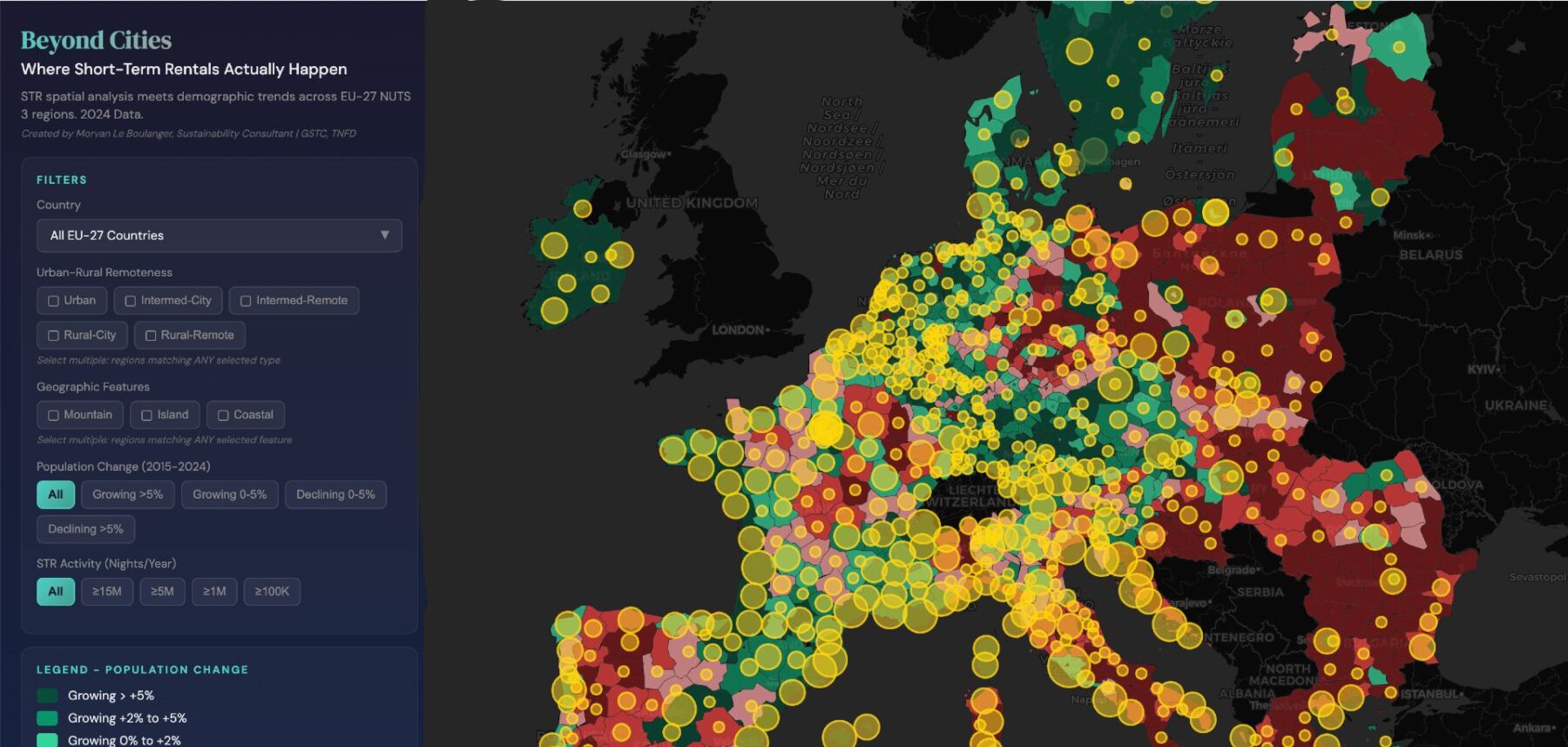
Beyond Cities: Where short-term rentals actually happen
More than half of Europe’s short-term rental activity happens outside cities. A data-led look at STR geography and destination management.
Fresh from the press
Data & Market Trends
Beyond Cities: Where short-term rentals actually happen
More than half of Europe’s short-term rental activity happens outside cities. A data-led look at STR geography and destination management.