Every year I examine all the marketing trends predicted by global insights organisations. Not surprisingly, I always find common threads.
In this article I’m sharing 5 of the top consumer trends which have an impact on the short-term rental industry. I’ve also added a sustainability footnote to each. As I always say, sustainability should be part of any business and marketing strategy not an add-on.
Here are the 5 Marketing Trends I explore in this article:
- Lighten up and feel the joy
- Craving for human connection
- Prioritise wellbeing
- Personalisation and privacy
- Responding to overtourism
Lighten up and feel the joy
We live in world that can seem dark and hopeless. We face “polycrises”: climate change, nature decline, overtourism, geopolitical volatility, economic uncertainty. There are new words in the dictionary like “eco-anxiety” and young women choosing not to bring children into such an uncertain world.
However, feeling depressed and disempowered is not good for anyone and will not change our world for the better. The trends I am seeing are recognising this need for an antidote to serious, heavy subjects. In the WGSN’s “Top Trends for 2026 and Beyond”, they call this “Unserious Everything”.
Humour has long been used in branding and I always believe in celebrating the positive rather than selling through fear which has always been a marketing tactic. Let’s help people feel good about themselves and optimistic that there are always ways to make ourselves feel better. Travel is such an important part of this as consumers today choose experiences over things.
This approach is particularly true of Gen Z, who have a “live-for-the-moment” mentality in the face of a potentially gloomy future. I see so many examples of younger generations coming up with solutions to the problems we face and not just accepting that nothing can change. Travel and the rise of the digital nomad is an antidote to the lower prospects of younger generations in relation to property prices and job insecurity.
However, it’s not just younger generations, there is a new type of traveller with a different mindset. “Deep Travel” is all about personal growth, freedom and lifelong memories. Not getting through your bucket list to share on Instagram but experiencing new places off the beaten track and “living like a local”.
Sustainability angle: Many of the crises we face in the world are already being solved by everyday people and businesses with purpose built in. As your business is dependent on attracting the best people and protecting nature for guests to enjoy, this is an easy angle to embrace.
Craving for human connection
With the rise of AI and our increasingly disconnected society, I’m sure you are also hearing about the vital need for human connection. The Mintel Global 2026 Consumer Predictions also leans into the impact of our shrinking in-person lives and highlights the “Affection Deficit” (Be careful not to read “Attention Deficit”).
But even though Gen Z consumers are lonely, they are still reticent about human interaction with 63% of singles saying they prioritise self-care over finding a romantic partner.
This mindset offers exciting opportunities to property managers and hosts to create memorable experiences and connect their guests to local communities. I often wonder whether tourism will become the last bastion of human connection. We seem to do everything else online these days: shop, date, research, chat, etc.
It also connects to the massive issue of AI, which is not going away. I’ve already expressed my concerns from an ethical and bias point of view. I am slowly developing my stance on AI. From a hospitality point of view, AI offers the opportunity to streamline repetitive tasks and free up more time for the real essence of hosting: human connection. However, if you are using AI agents to interact with your guests, do teach them to consider how guests “feel” and how you can promote yourself as a caring brand.
If we don’t have human connection, our nature as empathetic and sociable beings will be lost. So many travellers are wanting to experience other cultures and appreciate how others live.
Sustainability angle: I believe, as do many others, that we are part of the natural world. Not the master of it. This belief is the foundation of indigenous peoples who have been stewards of the natural world for millenia. The tourism industry has such an important opportunity to be involved by taking part in conserving nature and letting guests feel part of it.
Prioritise wellbeing
That leads on nicely to the next trend – the desire for staying healthy and living a long life.
We have created a culture where efficiency and productivity seem to be valued above all else. Now we are beginning to understand the importance of rest and relaxation. Taking time to “just be”.
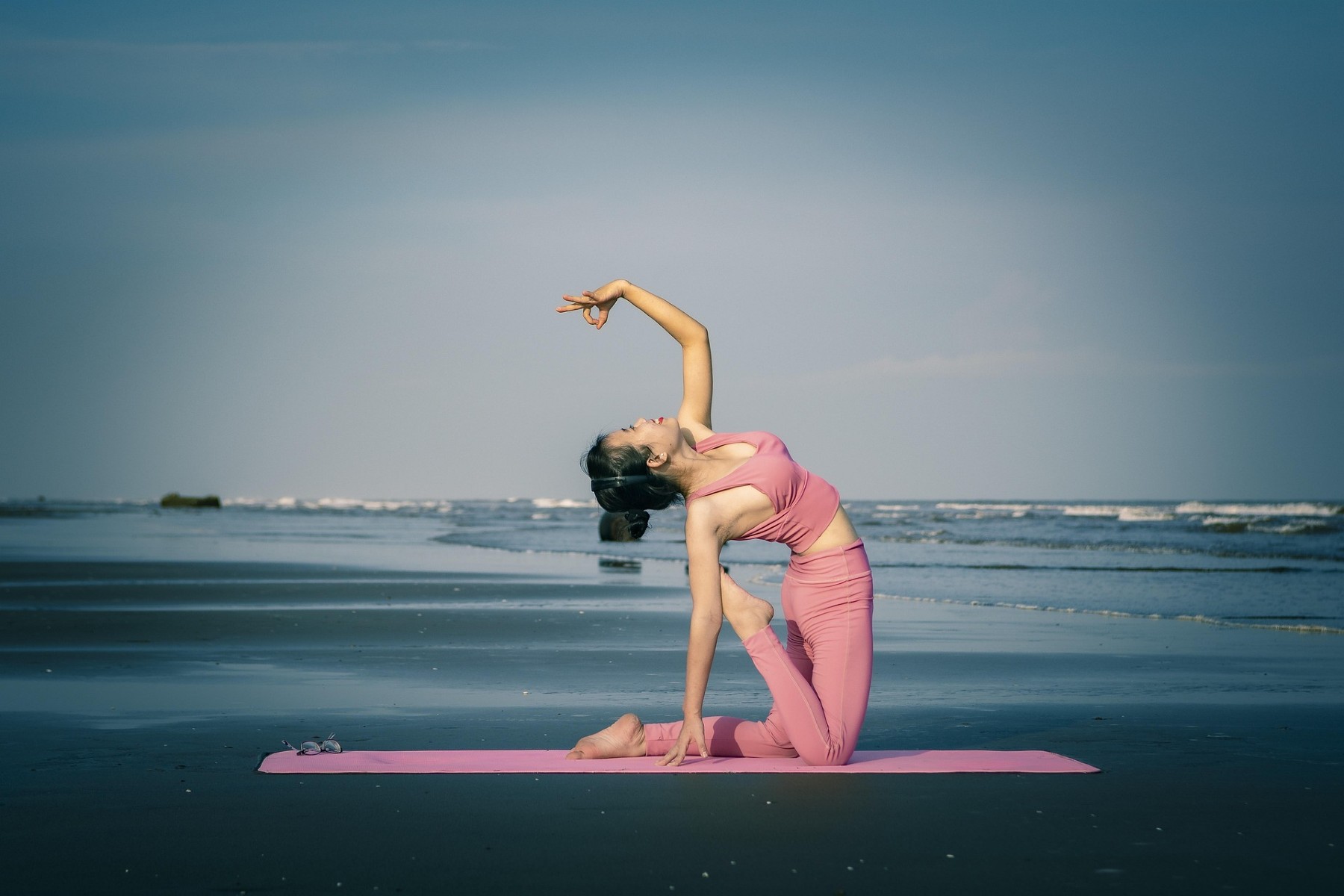
Consumers are considering both their physical and mental wellbeing as we now understand that they are undoubtedly connected. Even some medical professionals are recommending walks in nature and social connections to improve mental health. In the travel sector the wellness sector is booming with relaxing treatments and opportunities to switch off being prioritised.
There are so many ways that STR hosts can lean into this wellness trend. A lot of them are covered in The Lemongrass Travel Trend Report 2026.
- Saunas: amazing health benefits and no need for the nasty chemicals used in hot tubs
- Green eating: guests want recommendations for healthy eating, plant-based options and experiences around food
- Clean beauty and cleaning: avoiding harsh chemicals and harnessing the power of natural ingredients. Thoughtful too for guests with allergies (1 in 3)
- Nature: travellers want places to switch off and feel part of the natural world
- Healing treatments: from yoga to Tai Chi and Ayurveda oils
Short-term rentals have the unique opportunity to lean into these trends and work with local small businesses to provide outstanding experiences. None of them are difficult to set up. Particularly helping guests get out into nature, which is free. However, we have treated the natural world as a free resource and exploited it accordingly. If you are contributing to a conservation project, for example, that is a great way to give back.
Another interesting trend which WGSN cites is “Digital Privilege”. It highlights how it will be seen as a status symbol if you are able to prioritise your health and switch off from the online world. Nearly half of young adults state that online life harms their well-being.
Sustainability angle: Offering any of the amenities mentioned above is not a huge investment and will be repaid through the elevation of the guest experience with repeat bookings and referrals. Respecting your people is also an important part of running a responsible business, particularly with the long, unsociable hours which the STR industry brings. Looking after the well-being of your team will reap rewards in loyalty and productivity.
Personalisation and privacy
As most of us know, the digital world and AI is affecting our mental health and our relationships. We are getting to understand how AI works and this is fostering the trend which the Mintel 2026 Consumer Predictions calls “anti-algorithm”.
In its best outcome, AI has the power to create hyper personalised experiences for consumers. However, consumers are very savvy. We’ve probably all given emails that we don’t use when signing up for something where we want to avoid future sales messaging. Plus email software is making it harder for your emails to get into the inbox. People use private or incognito browsing – they understand that a brand’s main purpose is to sell them something.
As people want to stay more private, and even undiscoverable online, how can we respond as marketers?
This also ties in with what WGSN calls “Gatekeeping”: the desire to keep our favourite places and products secret. We want to feel a sense of exclusivity and experiences which are special to us. Hence, the rise of travelling to places which are not “instagrammable” or even sharing no photos at all.
As a brand, you can create closed communities, which also leans into the antidote to loneliness and the need to belong. However, creating an online community needs to offer tangible benefits to its members and fulfil their need for human connection as mentioned already.
There is much discussion about loyalty within the hospitality business with travellers becoming disenchanted by airline and hotel points programmes which don’t really offer them more than discounts. This is the time to get creative with loyalty programmes and incorporate experiences. A good example of this is The Journey Alliance for independent hotels and private rental homes.
Sustainability angle: Travellers understand that you want to sell them. But you can communicate that you are offering them a unique connection with the local community. If you go one step further and show that you are also giving back to that community and being part of protecting their destination, your guests will know that their purchase will do some good as well., This will make them much more likely to prioritise your content and communications. This is one of the benefits of being a purpose-led brand.
Responding to overtourism
The observations above lead on to the issue of overtourism, which is a hotly debated topic, with the blame often put at the door of the STR sector. Many urban locations have been in the news for bringing in tough regulations for vacation rentals.
Overtourism is undoubtedly affecting the lives of local people but also it is bringing them economic advantages in certain destinations. Perhaps the trend mentioned above will encourage people to travel to undiscovered places. Instead of staying in Rome, they could visit a city like Ascoli Piceno near where I live. It’s older than Rome with an ancient cathedral, a main piazza made of travertine but without the crowds.
There is also the desire to get out into nature mentioned above. Thus I was really interested to read this article on the Wire by Morvan Le Boulanger showing that 55.1% of STR nights take place in intermediate and rural territories. This demonstrates that there is a desire to move outside the typical city locations. Those more rural destinations would certainly benefit economically.
I’ve lived in Italy for 8 years with 7 of those running a short-term rental in a rural location. Our guests chose our place specifically for the beauty of the destination and the fact that is was undiscovered – the real Italy. There are so many characterful towns and villages in Italy that are dying as young people move away and older generations pass on. But I have also seen towns that have regenerated when they give incentives to come and live there. Short-term rentals are so interlaced with local communities and can be the catalyst for new businesses opening: speciality foods shops, restaurants and bars, cookery schools and other experience-focused companies.
Sustainability angle: We are increasingly realising that nature has an important role to play in the climate crisis. Solutions like mangroves to secure coastal erosion and conserving and restoring forests to capture carbon. More than this, humans have an inherent connection with nature: there is evidence to show that the sea has a calming effect on us. For tourism, nature plays a key role in shaping the landscapes that travellers want to enjoy. We have a vested interest in protecting the destinations that host us.